


Scaling with intention: What a USD 5 billion education boom means for the UAE
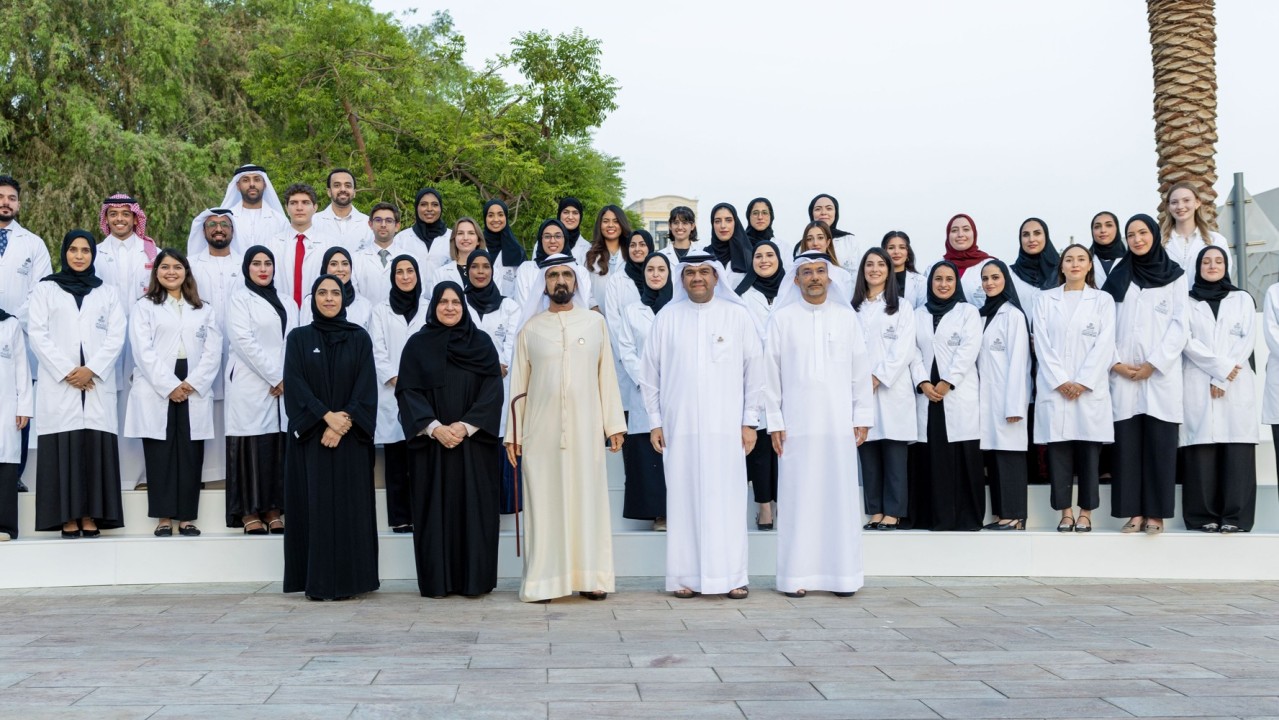
The announcement that the UAE’s education market is projected to grow by USD 5 billion between 2025 and 2029 is cause for optimism. The news reflects a maturing sector, a growing population and deepening public-private investment.
Over the past two decades, the UAE has become a beacon of educational ambition in the MENA region. We’ve built world-class campuses, embraced innovation and welcomed students from across the globe. The way forward, however, demands more than expansion. In my opinion, it requires a commitment to three principles – excellence, equity and identity.
From infrastructure to impact
Traditionally, educational progress has been measured through expanding physical infrastructure, rising enrolments and growing campuses. However, the future belongs to holistic systems focused on outcome, relevance and inclusion.
As a Pro-Chancellor at Heriot-Watt University Dubai[1] , I work with stakeholders to gauge success by student employability and global readiness, rather than solely by grades. Cohorts here move seamlessly across campuses in Dubai, the UK and Malaysia, through the university’s Go Global programme, demonstrating how borderless yet locally relevant education can be.
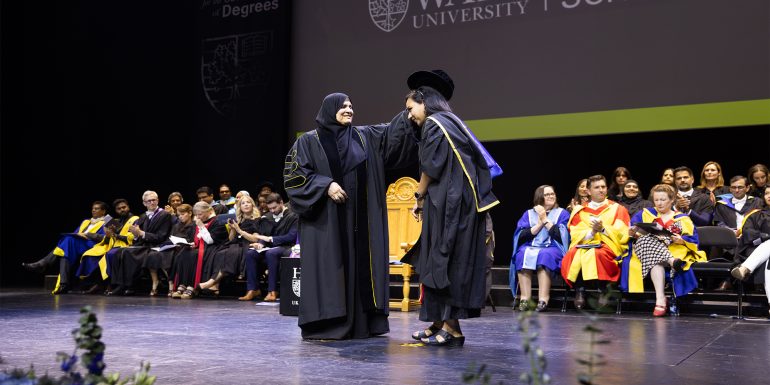
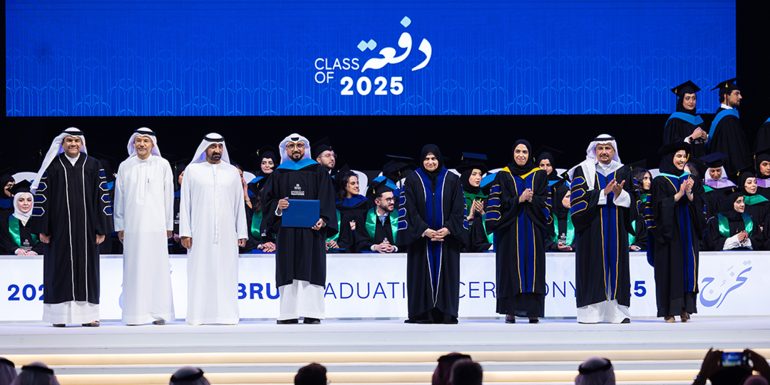
At Mohammed Bin Rashid University of Medicine and Health Sciences (MBRU), where I’m a Board of Trustees member, we’re focused on shaping ethical, community-aware healthcare leaders. We do this through simulation labs, clinical exposure and multidisciplinary teamwork.
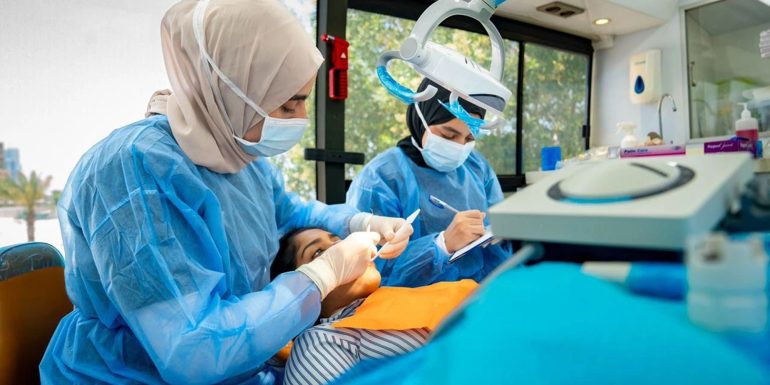
Ajman University, where I serve on the Board of Trustees, is a non-profit institution empowering youth through inclusion, innovation and sustainability. Our societal impact includes a Mobile Dental Clinic, a mangrove-planting project with the local community, and a Centre for Inclusive Learning. The Masar Career Excellence framework embeds real-world engagement to nurture career-ready, socially responsible leaders.
Elsewhere, institutions like Zayed University are reshaping liberal arts education with a renewed focus on entrepreneurship, bilingual fluency and digital literacy. New York University Abu Dhabi, through its globally recruited faculty and highly selective admissions, continues to produce graduates who lead in public policy, arts and science on a global stage.
What unites these institutions is a commitment to outcome-driven education. They serve as a reminder that excellence is not tied to legacy. It is built through intentionality, relevance and accountability.
A new social contract
A sector growing at this pace cannot rely on market forces alone. The UAE has long balanced policy leadership with private innovation. That model must now evolve.
The government’s role is to ensure equity through affordable pathways, rigorous accreditation and lifelong learning support. Initiatives like the UAE National Strategy for Higher Education 2030 are moving in the right direction.
The private sector, meanwhile, must embrace its role as a partner in national development, investing in relevance, accessibility and sustainability, not simply growth for scale.
Reimagining global competitiveness
The UAE’s reputation as a regional education powerhouse is grounded in hard numbers. The Knowledge and Human Development Authority (KHDA) reports a 20% surge in private higher education enrolment during the 2024–25 academic year, reaching 42,026 students across 41 institutions, of which 37 are international branch campuses. International students now comprise 35% of higher education enrolment in Dubai, up from 27% the previous year.
Business courses (44%), IT (15%) and engineering (13%) dominate the demand, reflecting student interest and market alignment. Meanwhile, UAE nationals, too, are engaging with private higher education as Emirati enrolment grew by 22%, bolstering national participation.
Today’s global applicants are seeking more than academic credentials. They desire purpose-driven education, an ecosystem that prizes sustainability, inclusivity and professional formation. This means universities must invest in soft infrastructure initiatives such as:
- Mentorship programmes
- Mental health services
- Interdisciplinary learning
- Cultural belonging
With 90% of Dubai’s universities being international branches, personal connection becomes the key differentiator.

Looking ahead
The growth we are witnessing is historic, but it is not inevitable. Whether this becomes a catalyst for transformation or a missed opportunity depends entirely on the choices we make today.
At this stage, we should:
- Prioritise quality over quantity
- Design for access, not exclusivity
- Focus on real outcomes
- Empower both learners and educators
As someone who has spent decades advocating for education, especially for women and future leaders, I believe this moment is not only about expanding what we have; instead, it is about reimagining the possibilities.

MORE INSIGHTS
Why soft power is becoming the Middle East’s strongest business advantage
Partners choosing where to invest are no longer weighing reputation against economics. They are treating reputation as economics.
The global wealth migration: Why Middle East banks are best positioned to win
The UAE welcomed 9,800 millionaires in 2025, bringing approximately $63 billion in investable wealth and emerging as a primary destination in an increasingly multi-polar wealth landscape.

Is the UAE’s digital transformation market ready for what comes next?
The leaders who will drive sustainable value are those who treat digital transformation as a systems challenge rather than a technology procurement exercise.