


Is the UAE’s digital transformation market ready for what comes next?

UAE’s digital transformation market is projected to reach USD 2.23 billion by 2029. This figure deserves scrutiny, not only for its magnitude, which is substantial, but for what it reveals about the trajectory of our regional economy and the choices that lie ahead.
Over the past five years, I have observed government digitalisation initiatives create a demonstrable ripple effect across the private sector.
This is not coincidental. When public institutions establish standards and demonstrate the competitive advantages of digital-first operations, private enterprises are encouraged to follow suit.
The evidence in three sectors
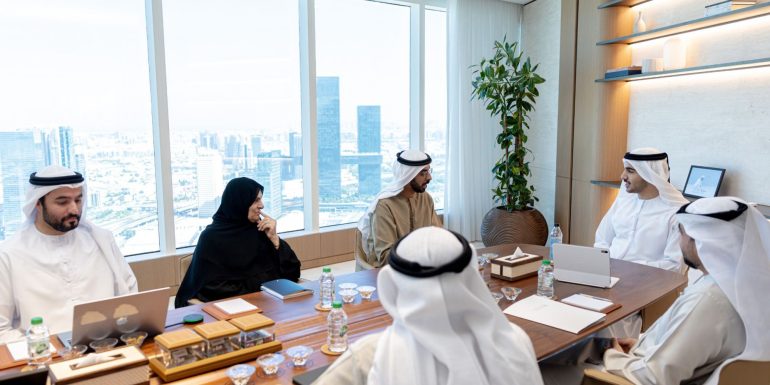
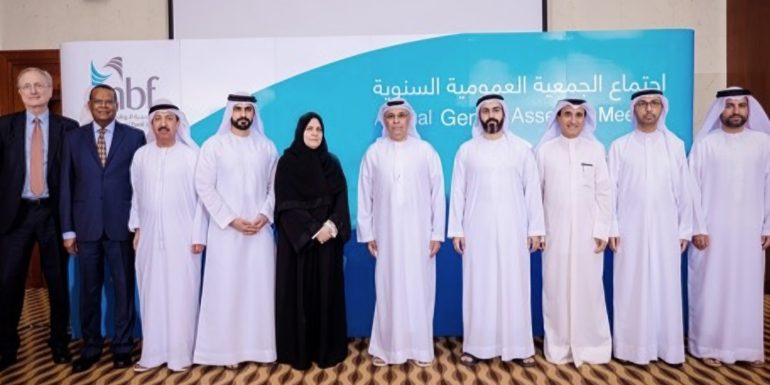
Banking and finance have led the adoption with sophisticated digital-first strategies. As the Deputy Chairperson of the National Bank of Fujairah and one of the advisory board members of Coutts Bank, I have noticed the sector’s evolution from online banking to AI-powered ecosystems and blockchain infrastructure signals genuine competitive differentiation. These are not legacy institutions dabbling in innovation, rather, they are fundamentally reorganising their operations around digital capabilities.
Healthcare’s transformation tells a different story. The COVID-19 pandemic compressed years of deliberation into months of necessity. Electronic health records, telemedicine platforms and AI-assisted diagnostics moved from proposal stage to operational deployment with remarkable speed. The infrastructure exists, but what remains is integration, connecting disparate systems to create seamless patient experiences and better health outcomes.
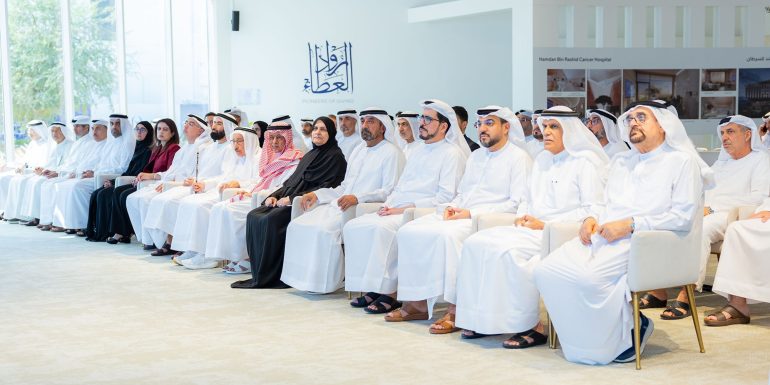
However, with my experience as Chairperson of Al Jalila Foundation and board member of Dubai Academic Health Corporation, I have witnessed that the real challenge lies beyond technology. Healthcare institutions are discovering that digital systems succeed only when they align with clinical workflows, patient expectations and the realities of frontline practice.
The hospitals leading transformation are those treating digitalisation as an enabler of care quality rather than an end in itself. They are investing in clinician engagement, ensuring that doctors and nurses shape system design rather than adapt to it. They recognise that a perfectly integrated digital platform serves little purpose if it alienates the healthcare workers who depend on it.
The sector’s next phase will separate institutions that have merely digitised from those that have truly transformed how care is delivered.
A regional laboratory
The UAE has become the Middle East’s testbed for emerging technologies. Our regulatory environment permits experimentation at scale. Our capital markets support venture creation. Our talent pool draws from across the globe. This combination is rare in our region.
The trajectory appears positive, yet history offers cautionary lessons. Technology adoption without clear frameworks can create technical debt that constrains future flexibility. We have observed elsewhere how rapid deployment sometimes precedes integration challenges, systems that function independently but struggle to communicate effectively. Our advantage lies in building governance structures now, before such constraints become embedded in critical infrastructure.
Three conditions for sustainable growth
The USD 2.23 billion projection assumes continued momentum. Sustaining it requires discipline across three dimensions.
First, regulatory frameworks must evolve alongside technology. A market thrives when rules are clear, consistently enforced and updated as circumstances change. Data privacy, cybersecurity standards and ethical AI deployment cannot be afterthoughts. They must be embedded in how we design digital systems from inception.
Second, investment in human capital must match capital deployment. The technology sector in the UAE risks becoming bifurcated, a small cadre of highly skilled professionals commanding premium compensation, surrounded by workers whose digital literacy has not kept pace with technological change. Upskilling and reskilling programmes must reach scale. This is an imperative for both social cohesion and economic resilience.
Third, measurement must shift from deployment metrics to outcome metrics. The number of IoT sensors deployed matters far less than the efficiency gains they produce. The number of users on a digital platform matters far less than their satisfaction and trust. We must resist the pressure to equate growth in market size with growth in value creation.
What the market requires
The banking sector’s lead position will likely persist. Financial services have the capital, urgency and competitive dynamics that accelerate digital adoption. Healthcare will continue its catch-up, driven by regulatory pressure and patient expectations.
The wildcard is the broader enterprise sector. Manufacturing, logistics, retail and professional services represent the bulk of economic activity. Their digitalisation will determine whether the USD 2.23 billion figure becomes a launchpad for broader economic transformation or remains a metric of investment concentrated in already-advanced sectors.
The path forward
I observe the UAE’s digital transformation market with measured optimism. The government has created conditions for growth. The private sector has demonstrated an appetite for adoption.
The leaders who will drive sustainable value are those who treat digital transformation as a systems challenge rather than a technology procurement exercise. They will measure success through customer outcomes rather than technology metrics. They will invest in people alongside infrastructure. They will balance innovation ambition with operational stability.

MORE INSIGHTS

The global wealth migration: Why Middle East banks are best positioned to win
The UAE welcomed 9,800 millionaires in 2025, bringing approximately $63 billion in investable wealth and emerging as a primary destination in an increasingly multi-polar wealth landscape.
Scaling with intention: What a USD 5 billion education boom means for the UAE
As someone who has spent decades advocating for education, especially for women and future leaders, I believe this moment is not only about expanding what we have; instead, it is about reimagining the possibilities.
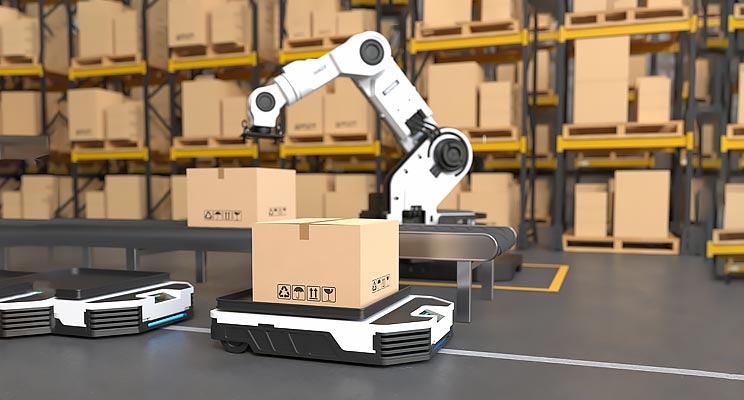
Automation and the future of logistics in UAE’s e-commerce ecosystem
Logistics is in the midst of a global transformation, largely driven by automation, robotics and data-led decision-making.